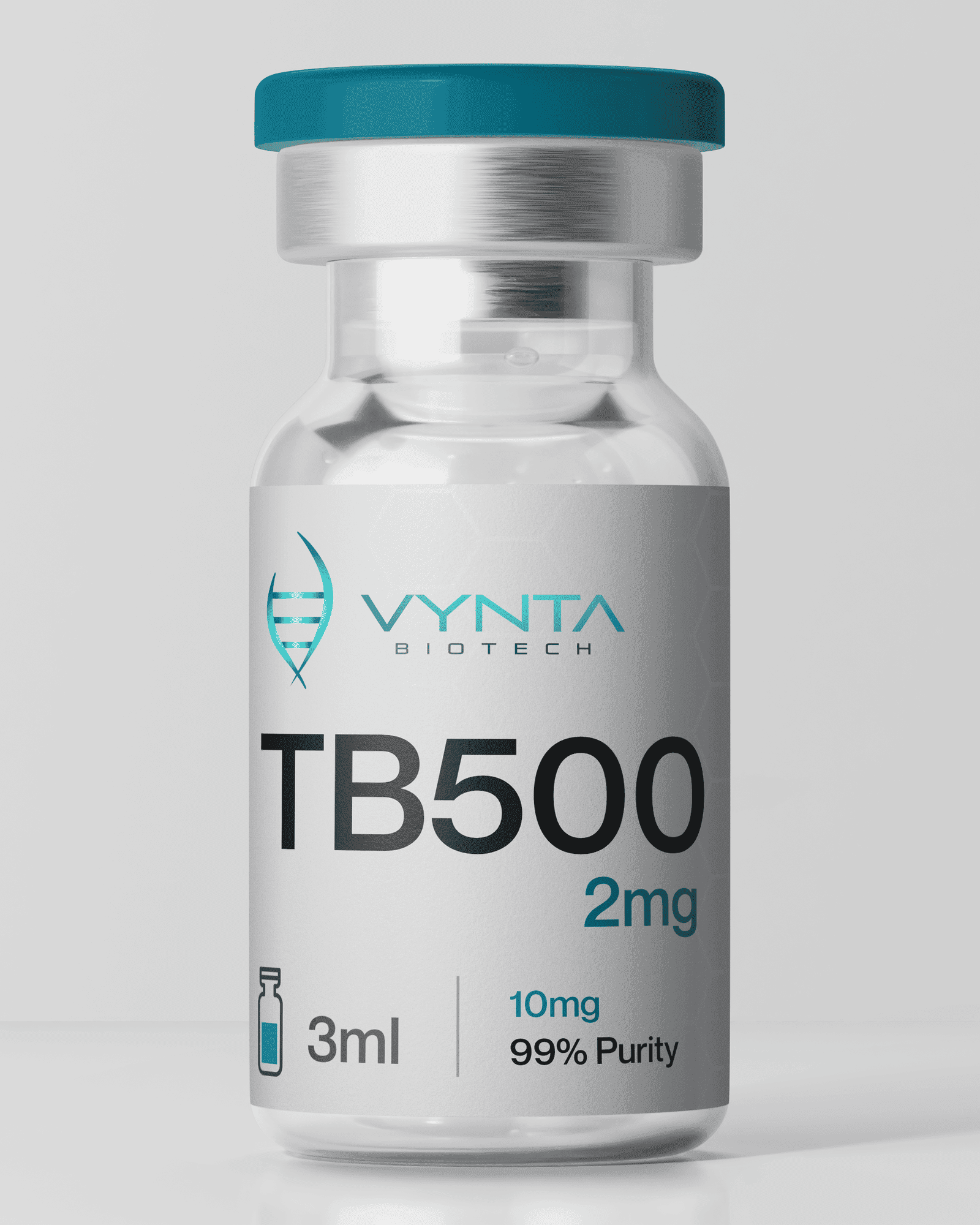
TB-500
Thymosin Beta-4 Fragment · Systemic Regenerator
TB-500 is a synthetic fragment of Thymosin Beta-4, a natural protein present at high concentrations in nearly all human cells, especially blood platelets. While BPC-157 excels at localized and intestinal repair, TB-500 stands out for its impressive systemic action — it travels and repairs throughout the entire body, recruiting progenitor stem cells to reconstruct damaged tissue from scratch.
- Systemic repair and stem-cell mobilization — ultra-low molecular weight allows it to travel freely throughout the organism, recruiting progenitor stem cells to rebuild damaged tissue from scratch
- Muscle fiber regeneration without fibrosis — the definitive peptide for muscle tears, ensuring fibers repair without excess scar tissue, preserving original elasticity and strength
- Advanced angiogenesis — massively increases oxygen and nutrient flow to hard-to-reach areas like tendons, ligaments and worn cartilage
- Chronic inflammation reduction — potently blocks pro-inflammatory cytokines, rapidly reducing swelling, systemic pain and improving flexibility in stiff joints
- Cardiovascular tissue repair — actively researched for its ability to help repair cardiac tissue after ischemic events (oxygen-deprivation damage)
Technical sheet.
- Compound
- Thymosin Beta-4 Fragment (TB-500)
- Dose
- 10 mg lyophilized
- Form
- Lyophilized vial
- Reconstitution
- Bacteriostatic water · 2 mL
- Purity
- ≥ 99.0%
2 °C–8 °C unreconstituted.
Where teams use it.
- 01Deep muscle tears and chronic injury repair
- 02Joint mobility and cartilage restoration
- 03Systemic inflammation reduction protocols
- 04Stack with BPC-157 for the Wolverine protocol
Related products.
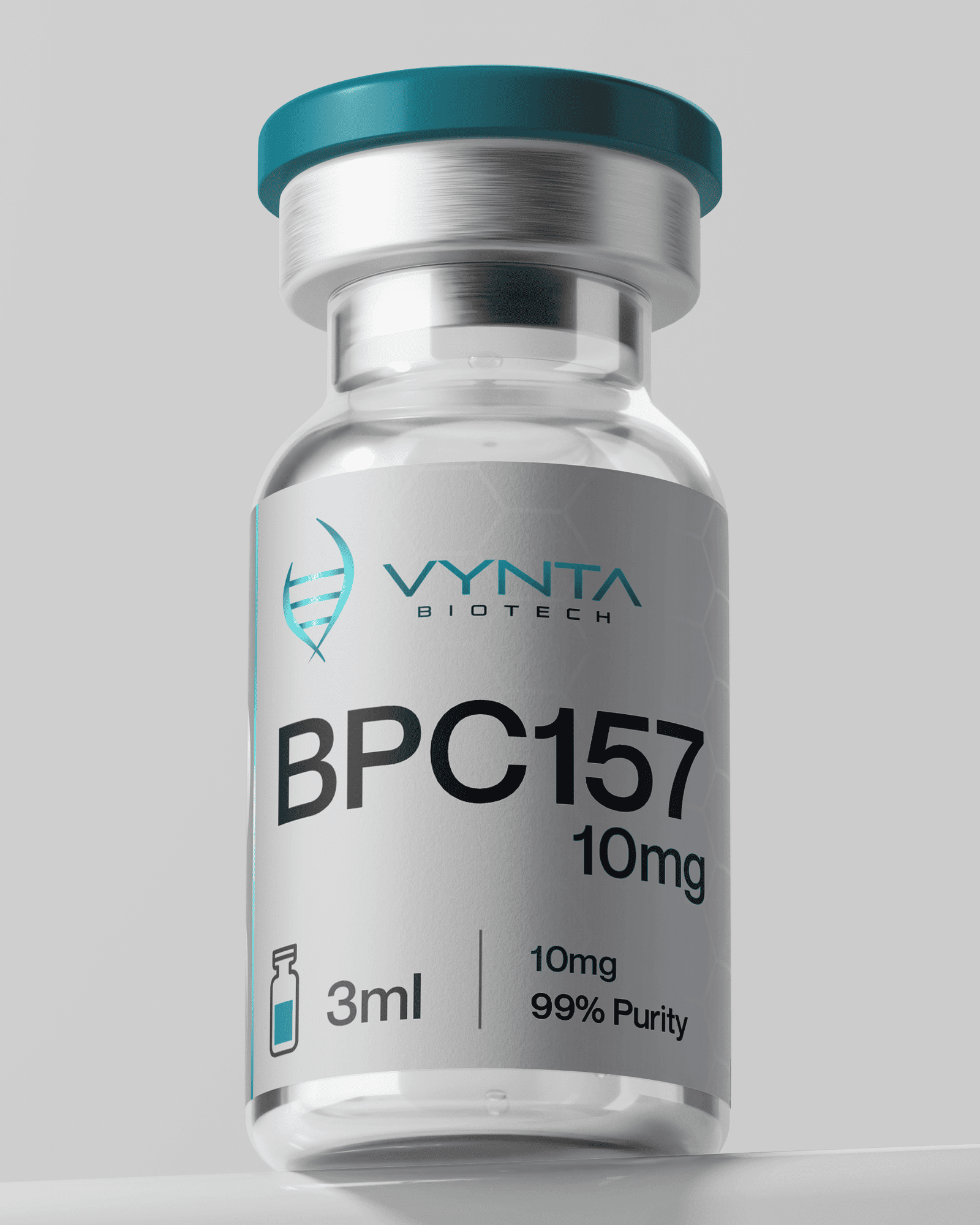
BPC-157
Body Protection Compound · Tissue Healer
A 15-amino-acid gastric peptide considered the 'holy grail' of tissue repair — accelerating healing through angiogenesis at speeds that defy conventional biology.
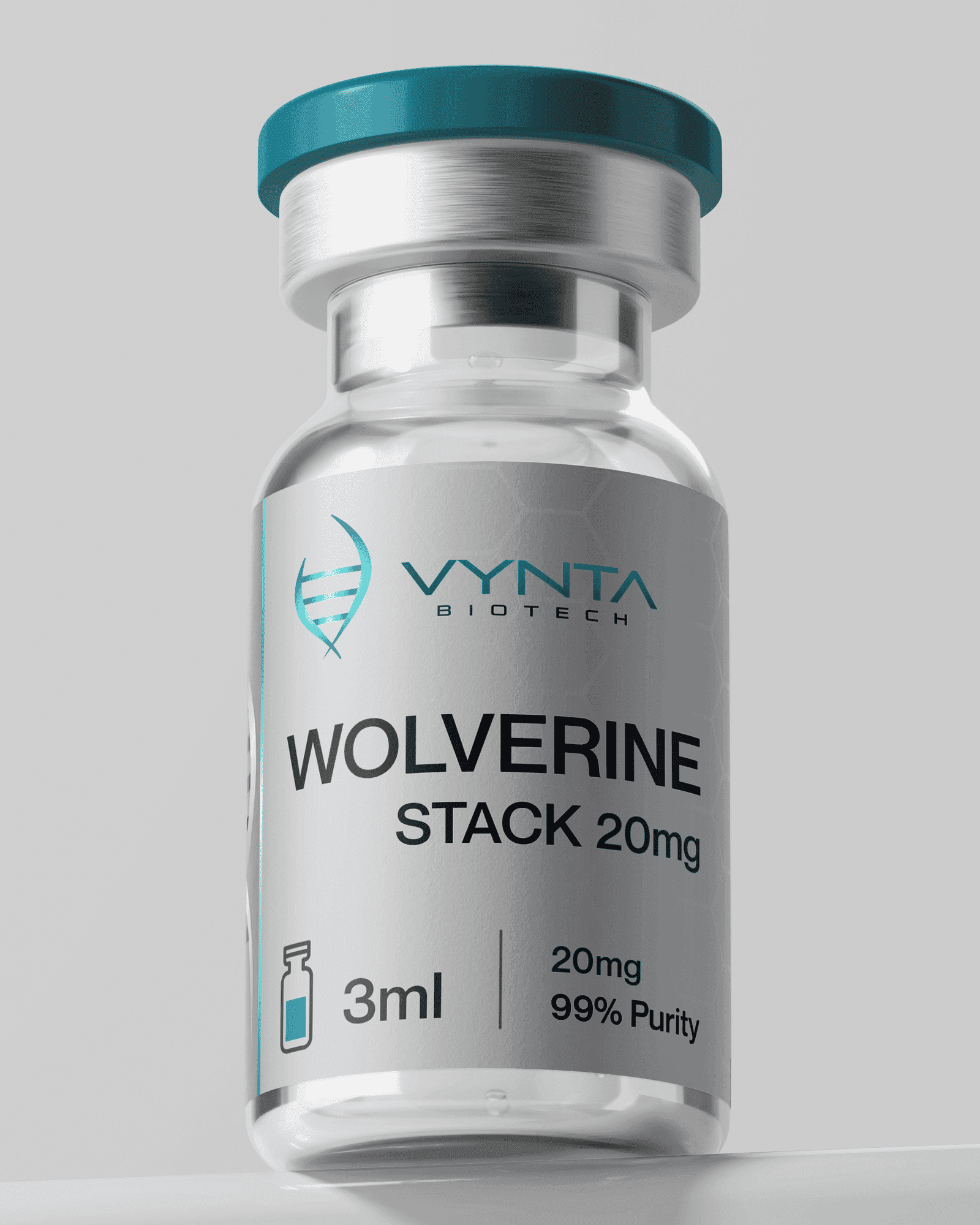
Wolverine Stack
BPC-157 + TB-500 · Dual Repair Protocol
Named after the mutant for a reason — this dual-peptide protocol activates cellular repair pathways at speeds that defy conventional healing timelines.
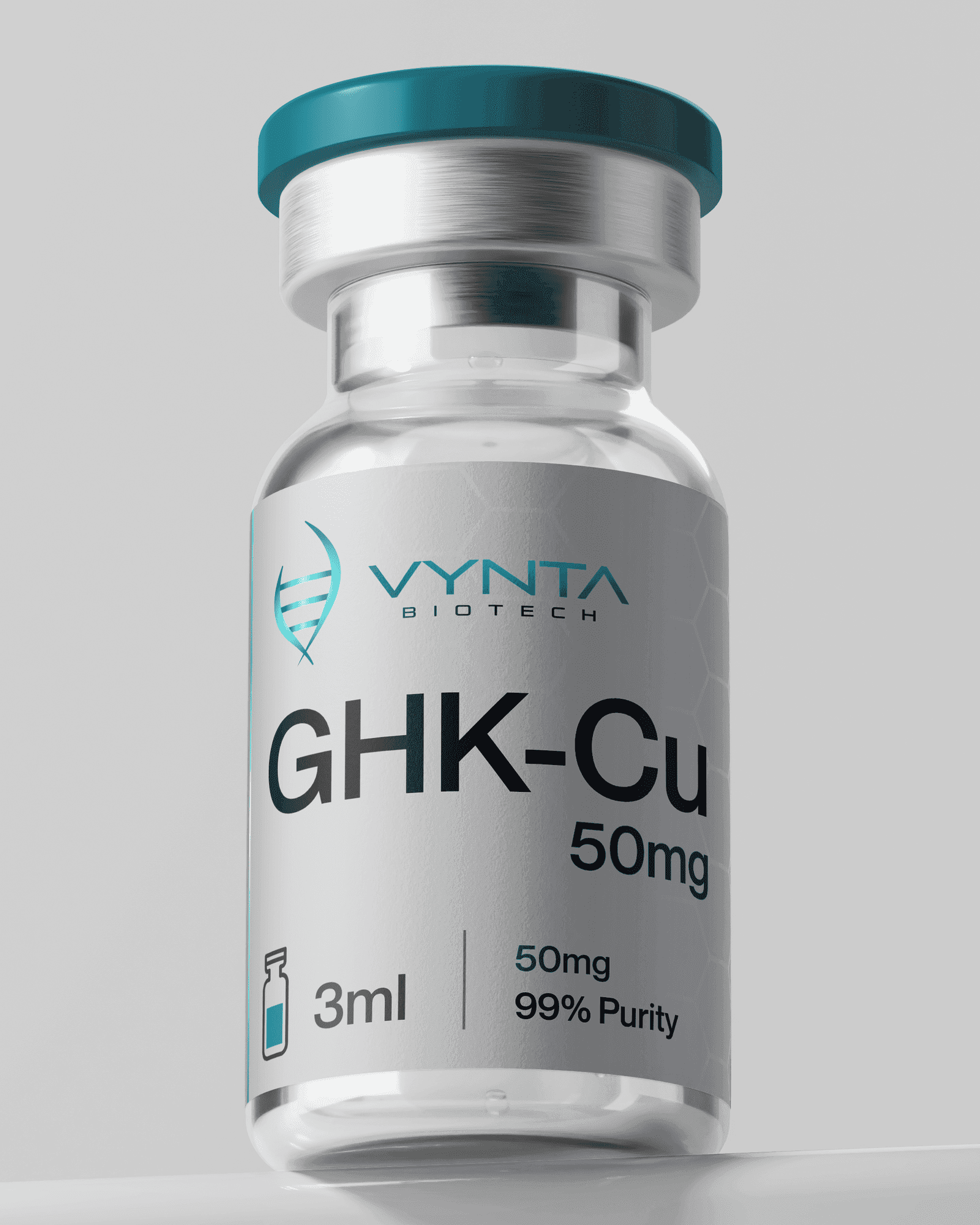
GHK-Cu
Copper Tripeptide · Genetic Rejuvenator
A natural copper complex that modulates over 4,000 human genes — forcing aged cells to behave like young ones for radical skin, hair and tissue rejuvenation.